
A browser left behind
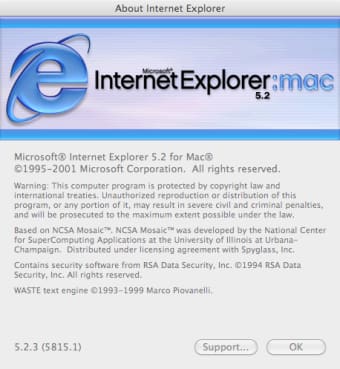
Internet Explorer was once a prominent web browser for internet users. Unfortunately, Microsoft officially ended support on December 31, 2005 and has not received updates or support since. As a result, it has fallen far behind current web standards, making it practically unusable for daily browsing activities. Users will quickly discover that it struggles to display modern websites, often freezing or crashing.
Top Recommended Alternative

Frustrating performance with modern standards
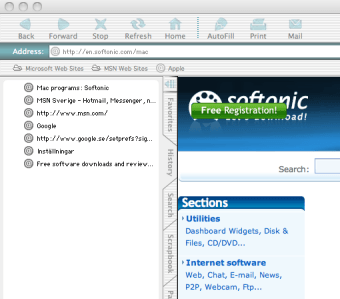
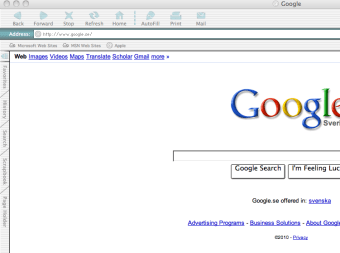
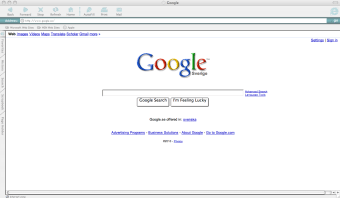
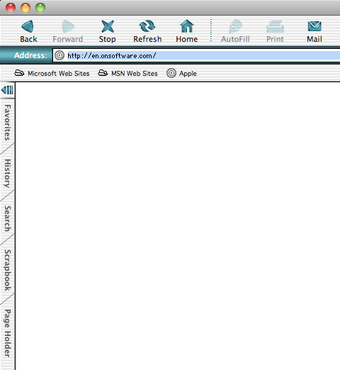
Using Internet Explorer for Mac can be a frustrating experience. The software fails to properly load many contemporary websites, leading to frequent errors and rendering problems. Users attempting to visit popular sites can expect a sluggish experience, often paired with crashes that disrupt their browsing sessions. This browser lacks essential features such as tabs and extensions, which have become standard in today’s browsing environment. As such, navigating the internet with this outdated tool feels cumbersome and inefficient.
Security risks and abandoned features
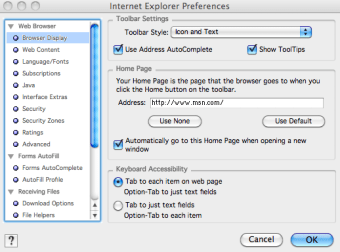
Security is another critical concern. With its last update over 15 years ago, Internet Explorer for Mac presents significant security vulnerabilities. Its outdated security settings leave users exposed to potential threats while browsing the web. The absence of modern functionalities, including private data management tools, further compounds these risks. Given today’s emphasis on web security, this browser simply cannot compete with modern alternatives.
A relic of the past
In conclusion, Internet Explorer holds little value for today's web users. While it may evoke nostalgia for some, its limitations make it impractical for modern internet use. Alternative browsers like Firefox, Chrome, and Safari offer more robust performance, improved security, and a better overall user experience. Transitioning to these modern solutions is essential for anyone seeking reliable web browsing.